Required

UnitedHealthcare & Optum Coverage for TMS Treatment in California

Living with depression is hard enough. Figuring out insurance shouldn't add to it. If you have UnitedHealthcare or Optum, our team can explain what your plan may cover and what to expect before you start. California TMS Clinics works with UnitedHealthcare/Optum patients and can help you understand your benefits, review insurance requirements, and navigate the steps involved in seeking TMS treatment for depression. Because insurance benefits vary from one plan to another, checking your individual coverage before treatment can help you know what to expect.

Coverage depends on your specific plan. Benefits verification is required before treatment.
UnitedHealthcare & Optum Plans Ask us about your plan
Benefits Check First We review your coverage before you start
Help With Paperwork We explain what your plan may ask for
Doctor consulting patient about TMS therapy
#1 TMS Choice of Doctors Proven Results for Depression

What UnitedHealthcare & Optum Consider for TMS

UnitedHealthcare directs behavioral TMS coverage questions to the applicable Optum behavioral clinical policy. Coverage is determined by the member’s benefit plan and the clinical requirements that apply to that plan. For qualifying Major Depressive Disorder, Optum’s TMS policy considers factors such as diagnosis, previous medication treatment, documented depression severity, provider qualifications, and use of an appropriate FDA-cleared TMS device.

1

Confirmed Depression Diagnosis

Coverage criteria focus on Major Depressive Disorder (MDD) and require documentation supporting the diagnosis and current depressive episode.

2

Previous Medication Treatment

Optum’s current TMS criteria include a lack of clinically significant response or an inability to tolerate qualifying antidepressant treatment. For adults, the policy includes trials from at least two different medication classes.

3

Documented Depression Severity

A validated depression rating scale may be used to establish a baseline measurement before TMS treatment. This documentation helps support the clinical assessment submitted for authorization.

4

Appropriate TMS Treatment

The policy requires TMS to be delivered using a device that has the appropriate FDA clearance for Major Depressive Disorder, along with the required treatment procedures and clinical oversight.

5

Qualified Clinical Provider

TMS must be ordered, supervised, and administered according to the provider requirements outlined in the applicable Optum clinical policy and state scope-of-practice rules.

6

Insurance Authorization

TMS coverage may require prior authorization and supporting clinical documentation. The applicable benefit plan and Optum requirements determine what information must be submitted.

Will Your UnitedHealthcare or Optum Plan Cover TMS?

TMS may be covered for qualifying Major Depressive Disorder when the applicable clinical and benefit requirements are met. Your specific plan determines coverage, and authorization may be required before treatment begins.

01

You Have Major Depression

A clinician has confirmed the diagnosis. You have a documented diagnosis of Major Depressive Disorder (MDD) that meets the applicable clinical requirements for TMS.

02

Medicines Haven't Been Enough

You've tried at least two antidepressants. They didn't give you enough relief, or you couldn't tolerate them. Good news: the policy no longer asks you to try talk therapy first.

03

You Complete a Safety Evaluation

Before TMS, your provider will review your medical history and check for factors that may affect whether treatment is appropriate, including certain metal or implanted devices and a history or risk of seizures.

What isn't covered: Optum's policy does not cover TMS for conditions other than major depression, such as OCD, PTSD or bipolar disorder. It also does not cover "maintenance" or "booster" sessions, faster treatment plans, or TMS during pregnancy or nursing. If you're looking for TMS for one of these, we'll talk through your options honestly. Depression came back after TMS? You may be able to repeat TMS if you meet these rules:
At least six months have passed since your last treatment.
Your symptoms improved by more than half before.
Your depression returned even after other treatment.

Let Us Handle the Insurance Legwork

Insurance can feel like a maze. Once TMS looks like a good fit, we can check your UnitedHealthcare or Optum benefits, explain what your plan may require, and help gather the paperwork. You can focus on how you're feeling.

Why Choose California TMS Clinics?

01

Care Led by a Psychiatrist

Dr. Torey Troggio oversees your TMS. He is a psychiatrist board-certified in adult and child and adolescent psychiatry. You'll be treated at our Santa Monica office.

02

Insurance in Plain Words

We explain your coverage in simple terms, so you know your options before you decide.

03

Sessions That Fit Your Day

Each session takes about 20 minutes. You stay awake, you don't need sedation, and most people go right back to their day.

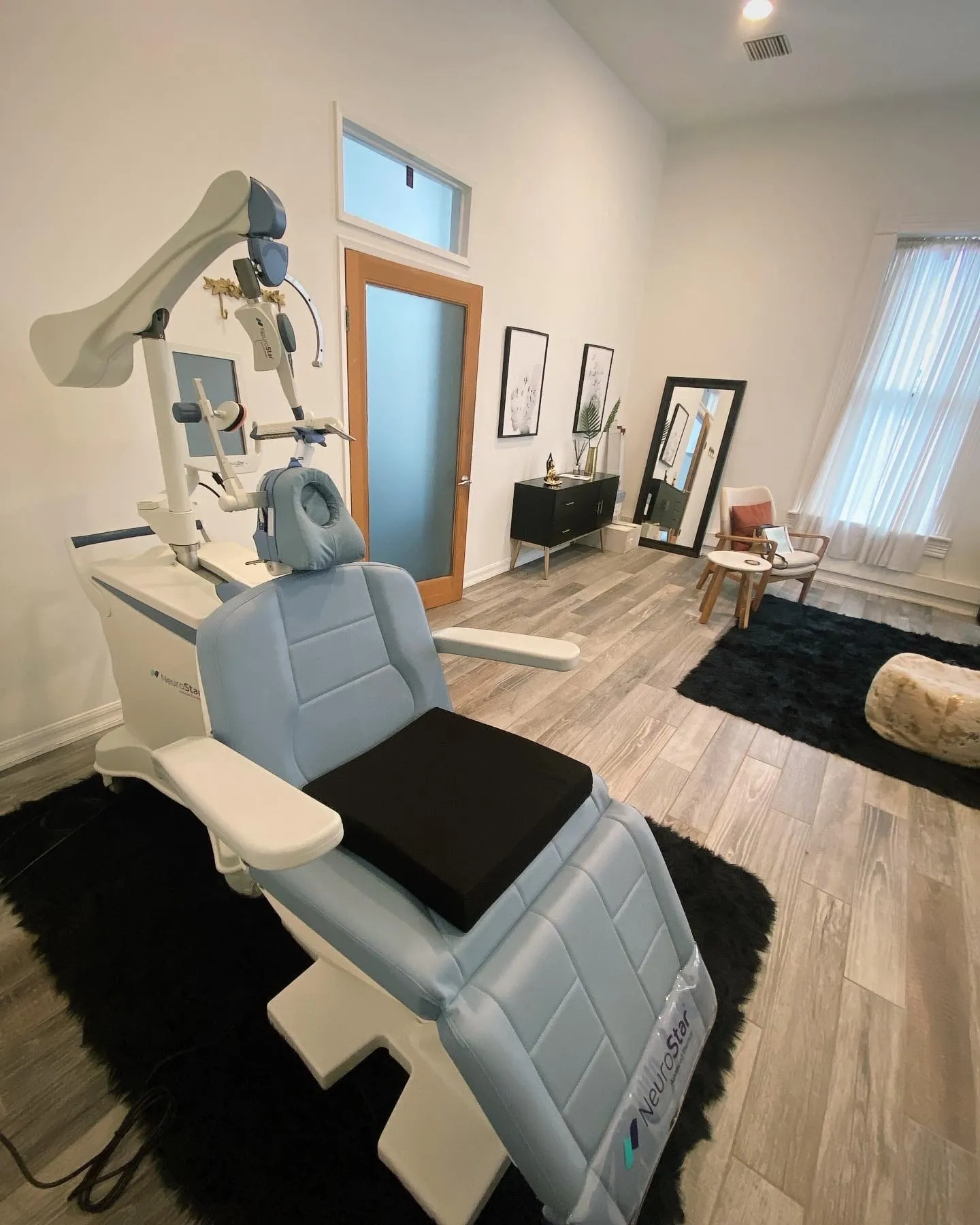
FDA-Cleared NeuroStar Technology
36 Sessions A Typical Full Course
~20 Minutes Per Session
Santa Monica Serving LA & Beverly Hills

Frequently Asked Questions

We work with Optum commercial plans. Details can differ by plan, so call us with your member ID, and we'll confirm.

Not automatically. Coverage depends on your plan and on meeting the policy's rules.

Optum manages mental health benefits for some UnitedHealthcare plans. UnitedHealthcare also uses Optum's policy for depression treatments like TMS.

The applicable Optum criteria include qualifying antidepressant treatment during the current depressive episode. For adults, the criteria include two trials of at least two different medication classes.

The current policy includes patients aged 15 and older, subject to the applicable coverage and clinical requirements. For ages 15–17, it asks for two antidepressant trials. Your plan details still apply.

Optum's policy says no. These uses are still considered unproven. We can talk through other options with you.

TMS may require prior authorization, depending on your plan and the applicable requirements. Our team can help you understand what information may be needed and guide you through the insurance process.

The policy allows up to 30 acute treatment sessions followed by up to 6 tapering sessions when the applicable criteria are met.

Maybe. Copays and deductibles differ by plan. We'll help you understand your share before you begin.

Ready When You Are

Find Out What Your UnitedHealthcare
or Optum Plan Means for TMS

One short conversation can give you real answers. Contact our Santa Monica team, tell us about your plan, and we'll explain where you stand and what comes next.

Coverage varies by plan and isn't guaranteed. Please confirm your benefits with your insurer.